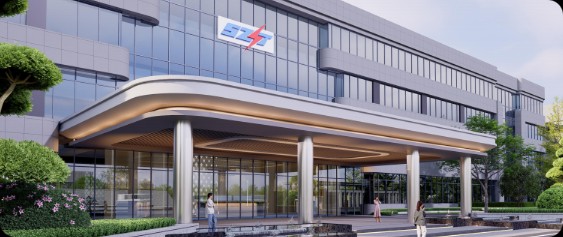
Consolidate consensus and promote development together | Welcome leaders from Pudong New Area Intellectual Property Office to visit Shanghai Guangsheng for research and guidance
On March 5th, Samsung Electronics announced today that, considering the current geopolitical development situation, the company has suspended all product exports to Russia!
New breakthrough in cancer treatment in China: ASCO conference witnesses the rising influence of photodynamic therapy in China
After Russia launched a special military operation against Ukraine last week, an increasing number of companies, from Apple to Microsoft, have stopped selling products and services in Russia. Samsung stated in an email statement that the company is actively monitoring the development of this complex situation. According to informed sources, Samsung has suspended all product exports to Russia, from chips to smartphones and consumer electronics. Our thoughts are with all those affected. Our top priority is to ensure the safety of all employees and their families, "Samsung said. Samsung also stated that it will donate $6 million to humanitarian efforts in Ukraine, including $1 million in consumer electronics products. Samsung currently holds a leading position in the Russian smartphone market, with a market share of slightly over 30%. Russian smartphone sales account for 4% of its global smartphone revenue. According to a report released by Hana Financial Investment Company, Samsung's semiconductor sales in Russia account for less than 0.1% of its total semiconductor revenue. In addition, Samsung has a television production factory in Kaluga, Russia.
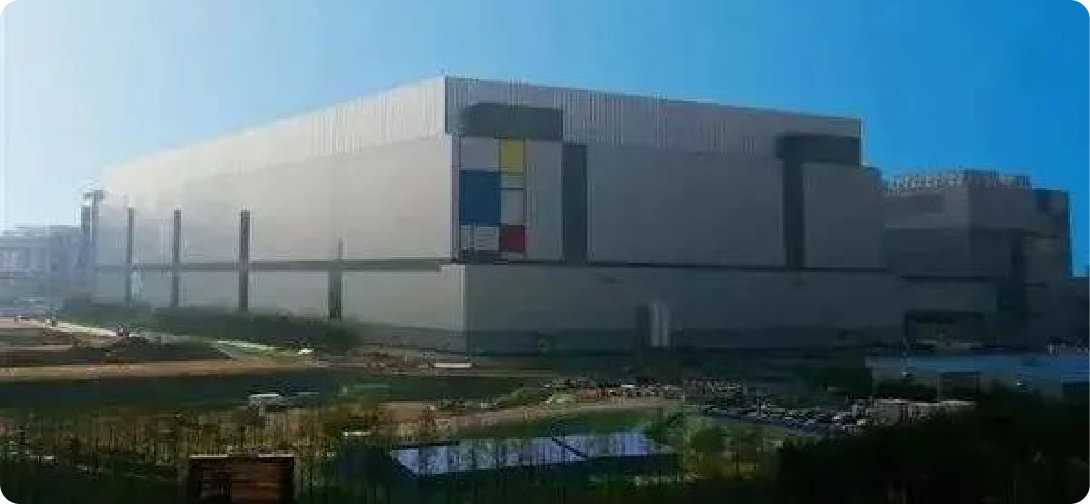
Samsung is not the first company to launch sanctions against Russia. Apple announced on Tuesday that it will stop selling products to Russia, including hardware products such as iPhone, iPad, MacBook, and Apple Watch. At the same time, a series of targeted measures were taken, including shutting down services such as Apple Pay in Russia and removing Russian applications.
Nowadays, it seems that after a large number of international giants such as Intel, TSMC, Dell, Google, Ericsson, Nokia, and Apple have stopped supplying to Russia, the Russian smartphone market is now dominated by Chinese smartphone manufacturers. However, domestic mobile phone manufacturers such as Xiaomi, Oppo, and Vivo may also be restricted, as they use processors and systems provided by Qualcomm and Google, respectively.
But Huawei is different, because as early as 2019 when the US sanctioned Huawei, Huawei recognized the reality and began a series of "spare tire plans". In terms of operating systems, Huawei has successively released HarmonyOS and Ora systems, breaking the monopoly of ISO and Android in domestic systems. In terms of chips, domestic chip companies have also made breakthroughs, as evidenced by the announcement by Fumanwei that 5G RF chips have begun mass production.

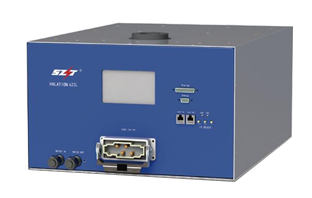 Halation Series
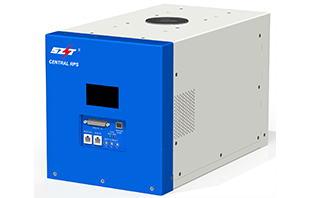 Central Series
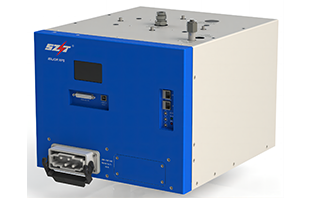 Major Series
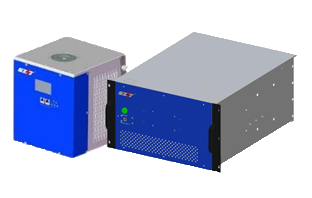 Pilotage Series
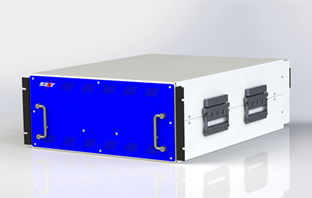 Advance Series
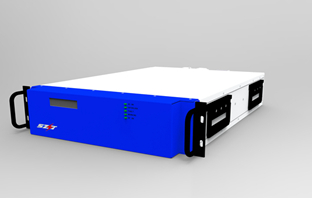 Advocate Series
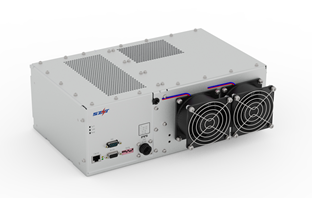 Focus Series
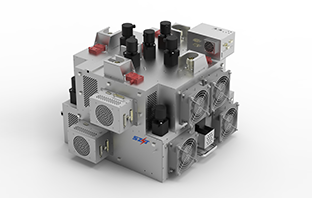 APD Series
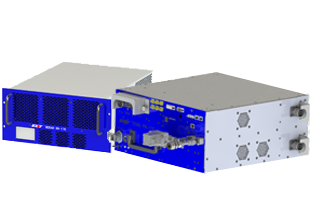 NORAH/THEL Series
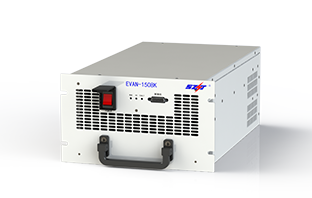 Evan Series
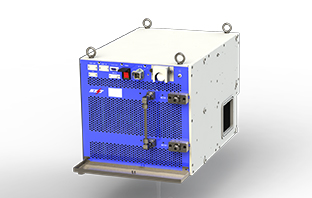 FLUX Heeter Series
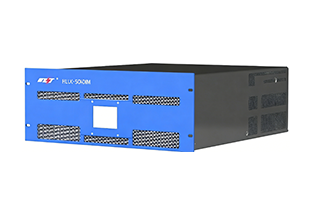 FLUX Cutter Series